Escalate Consulting logo – Australian business resilience specialists
Emergency Control Organisation & Warden Training2025-10-29T00:23:42+11:00

Emergency Control Organisation & Warden Training

Operational resilience expert at Escalate Consulting
Train the Team That Leads in a Crisis

Emergency Control Organisation & Warden Training

Confident, Coordinated Response Starts With the Right People

Emergency Control Organisation & Warden Training

The effectiveness of your emergency response doesn’t just come from a plan; it comes from people who know what to do. Escalate Consulting helps you build and train your Emergency Control Organisation in line with AS 3745:2010. We equip your Chief Wardens, Floor Wardens and support teams with the knowledge and confidence to act decisively in an emergency.

Emergency Control Organisation & Warden Training

Our ECO & Warden Training Services Include

ECO Structure and Role Clarity
  • Support to define the size and structure of your ECO based on your site layout and risk profile
  • Clear role definitions for:
    • Chief Warden
    • Deputy Chief Warden
    • Floor/Area Wardens
    • Communications Officers
    • First Aid Officers and Fire Wardens (if applicable)
  • Guidance for shared-tenancy buildings and multi-site structures
Training Delivery
  • Facilitated training aligned to AS 3745:2010
  • Delivered onsite or virtually, tailored to your team and facility
  • Role-specific modules for all ECO positions
  • Includes alarm response, emergency communication, evacuation leadership, and post-evacuation headcounts
Frequency & Competency Refreshers
  • Initial induction training for new ECO members
  • Refresher training at least every 6 months, as recommended in AS 3745
  • Customised schedules for high-risk, high-turnover or large facilities
Drills & Practical Scenarios
  • Live or simulated evacuation exercises
  • Tabletop scenario sessions to test warden decision-making and coordination
  • Option to combine with Emergency Management Plan or Post-Incident Review services
Tools & Reference Material
  • Role cards and quick reference guides for ECO members
  • Incident log templates and communication checklists
  • Optional integration with your Emergency Management Plan or crisis protocols

Why ECO Training Matters

Under AS 3745, all facilities must establish and maintain an Emergency Control Organisation a trained team of staff members responsible for leading evacuation and emergency response.

These individuals are often the first line of defence in protecting life and coordinating the safe movement of occupants during events such as:

  • Fires or smoke events
  • Gas leaks or hazardous materials incidents
  • Medical emergencies
  • Power outages or building system failures
  • Bomb threats or security threats

An untrained or underprepared ECO creates unnecessary risk. A trained ECO saves time, reduces panic, and protects people.

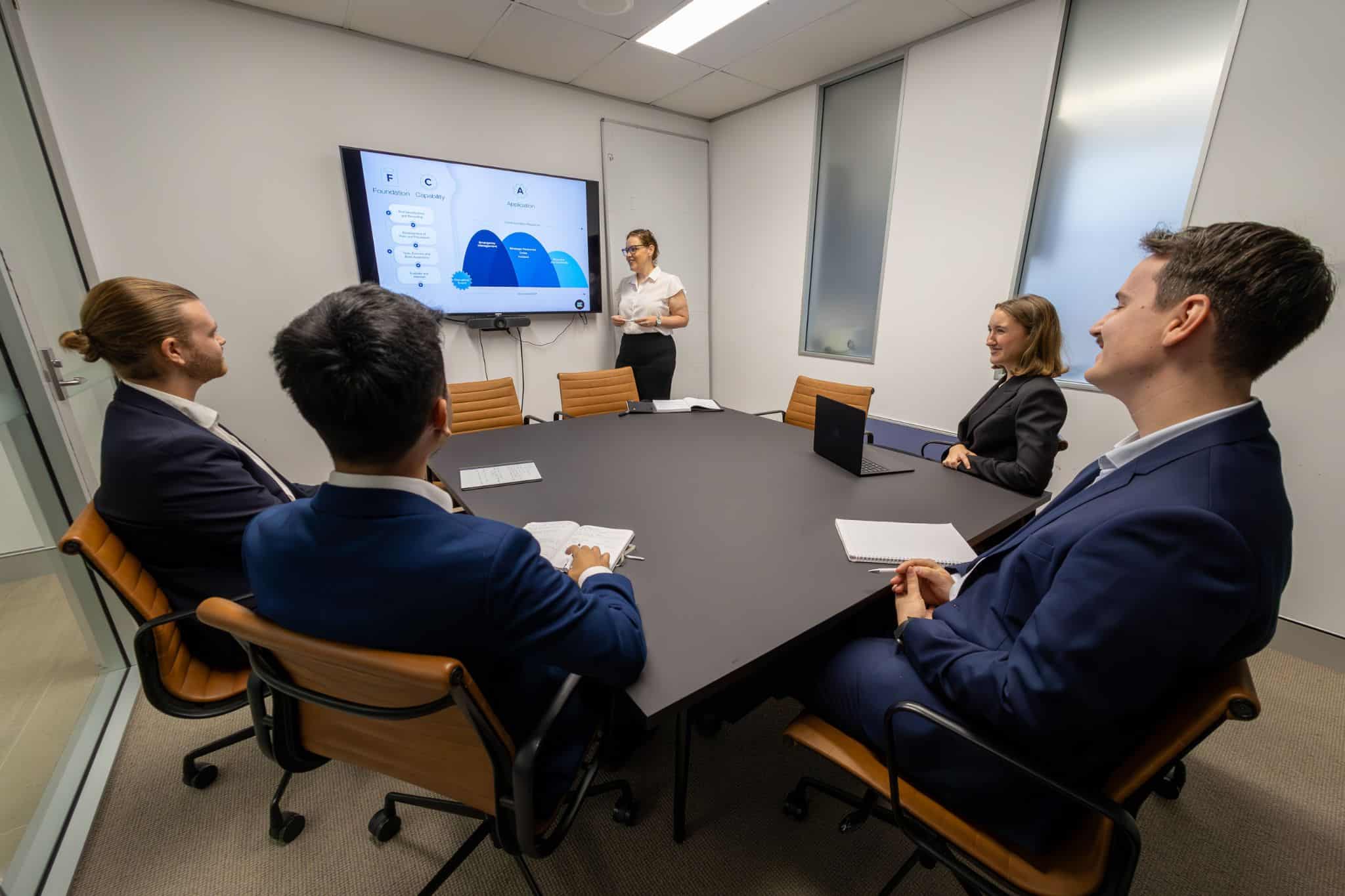
Escalate Consulting experts leading workplace emergency preparedness and risk mitigation workshops
Escalate Consulting expert leading crisis simulation exercise for business resilience training

Your Outcomes

  • A clearly defined and fully trained Emergency Control Organisation

  • Increased confidence across all ECO roles, especially Chief and Floor Wardens

  • Improved coordination and leadership during emergencies

  • Enhanced safety culture and readiness across your business

  • Evidence of compliance with AS 3745 and WHS training obligations

Everyone Has a Role in an Emergency. Some Lead It.

Make sure your ECO is equipped with more than just a hi-vis vest. Escalate Consulting delivers the training and clarity your team needs to respond with confidence.

Escalate Consulting team facilitating business continuity and crisis management workshop
know more about escalate

frequently asked questions

What is an Emergency Management Plan and why is it important?2025-10-03T20:54:16+10:00

An Emergency Management Plan sets out the procedures, responsibilities, and resources required to respond effectively to emergencies such as fire, medical incidents, natural disasters, or security threats. It ensures organisations can protect people, assets, and reputation while meeting compliance obligations. 

How does Escalate Consulting ensure plans are compliant with standards? 2025-10-03T21:01:09+10:00

Our Emergency Management Plans are designed in line with AS 3745:2010 Planning for Emergencies in Facilities and, where relevant, state-based or international fire safety legislation. We also draw on industry best practice to ensure plans are practical, usable, and tailored to each client’s environment. 

Do you provide training as well as planning? 2025-10-03T21:02:42+10:00

Yes. We deliver training for Emergency Control Organisations and Emergency Planning Committee members to ensure they are confident in fulfilling their duties. We also run emergency drills and provide bespoke online training modules to ensure staff are confident and capable in an emergency. 

Can Escalate Consulting support unique industry risks? 2025-10-03T21:03:24+10:00

Absolutely. We have developed bespoke emergency management solutions for risks such as missing aged care residents, cyclone response for coastal facilities, and large-scale evacuations for sporting venues. Our tailored approach ensures plans fit each client’s needs. 

What industries does Escalate Consulting work with? 2025-10-03T21:04:05+10:00

We have built emergency management frameworks for a wide range of industries including aged care facilities, high schools, mental health providers, sporting venues, and international organisations with operations across Asia-Pacific. Each project is designed to meet both compliance requirements and practical operational realities. 

How often should emergency management plans and training be reviewed? 2025-10-03T21:04:42+10:00

Best practice recommends reviewing and testing Emergency Management Plans at least annually, after any major organisational or site changes, or following an emergency or drill. Escalate promotes regular training and exercises to ensure staff remain confident, aware of their responsibilities, and ready to respond effectively. 

Go to Top